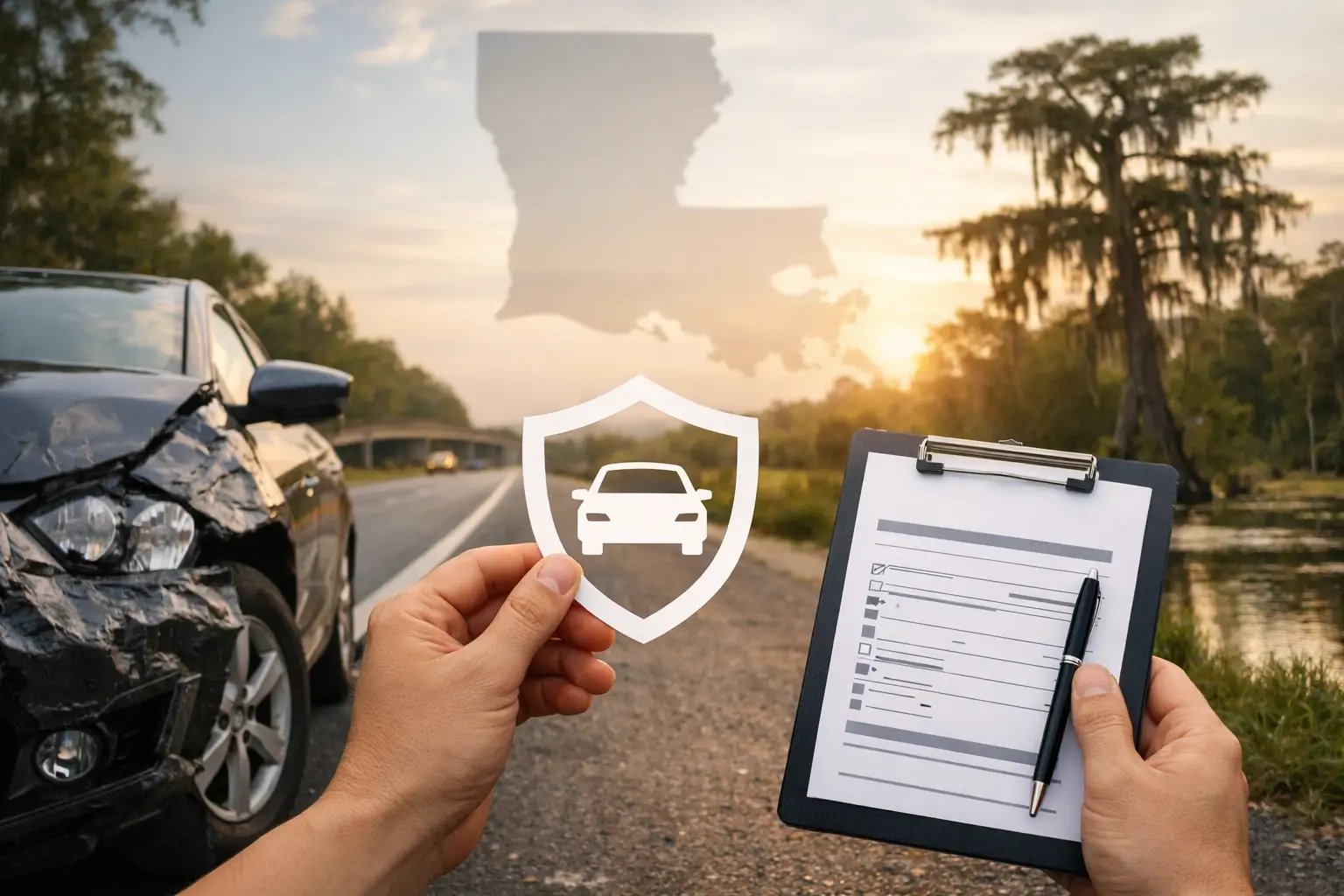
A driver runs a red light in Monroe, hits your vehicle, and leaves you with an ambulance ride, missed work, and a damaged car. Then you learn the driver has no insurance, or carries only a small policy that will not come close to covering your losses. That is when uninsured motorist coverage Louisiana families carry can become a critical layer of protection.
This coverage is not a substitute for holding the at-fault driver accountable. It is insurance you may have purchased to protect yourself, your passengers, and often members of your household when another driver cannot pay. Yet even when UM coverage is available, obtaining fair payment can involve difficult policy questions, evidence disputes, and pressure from the same insurance company that accepted your premiums.
Why uninsured motorist coverage Louisiana matters
Louisiana drivers are required to carry liability insurance, but the legal minimum may be far too low after a serious collision. A traumatic brain injury, spinal injury, burn injury, or surgery can create medical costs and lost income that exceed a small liability policy quickly. Some drivers have no coverage at all. Others allow a policy to lapse, provide incorrect insurance information at the scene, or flee after causing a crash.
Uninsured and underinsured motorist coverage, often called UM coverage, is designed for these situations. In Louisiana, automobile policies generally include UM bodily injury coverage unless the named insured makes a valid written rejection, selects lower limits, or chooses an economic-only form of coverage. The details matter. A quick look at the declarations page may not tell the whole story, especially if there are multiple vehicles, renewals, policy changes, or a rejection form in the insurer’s file.
For an injured person, UM coverage can be the difference between having a meaningful source of compensation and being left to absorb losses caused by someone else’s carelessness.
Uninsured is not the only situation UM can address
The word “uninsured” can be misleading. UM coverage may apply when the at-fault driver has no valid liability coverage, but it may also apply when that driver’s policy limits are not enough to fairly address the harm done. That second situation is commonly called an underinsured motorist claim.
For example, imagine a driver carries the minimum bodily injury liability limits and causes a high-speed intersection crash. The injured person needs hospitalization, rehabilitation, and months away from work. Even if the at-fault driver’s insurer tenders its full policy limit, the available amount may fall well short of the actual damages. The injured person’s own UM policy may provide another source of recovery, up to the applicable policy limits and subject to the policy terms.
UM bodily injury coverage can potentially compensate for medical expenses, lost wages, reduced earning capacity, physical pain, emotional suffering, disability, and other losses recognized under Louisiana law. The precise amount depends on the evidence, the injuries, available coverage, fault, and policy language.
Some Louisiana policies provide economic-only UM coverage. That election can limit recovery to measurable financial losses, such as medical bills and lost income, rather than damages for pain and suffering. Other policies may have UM limits lower than the policy’s liability limits. These choices can have lasting consequences after a serious crash, which is why reviewing coverage before an accident is often worthwhile.
Coverage questions that can change a claim
UM claims are rarely as simple as proving that the other driver lacked insurance. The policy must cover the person making the claim, the vehicle involved, and the type of loss at issue. A passenger may have rights under the vehicle owner’s policy, their own household policy, or both. A child or spouse may be an insured person under certain policies even if they are not listed as the primary driver.
Hit-and-run crashes raise another set of questions. If a driver forces a vehicle off the road and disappears, there may be no other insurance information to pursue. Prompt reporting, photographs, witness names, nearby camera footage, vehicle damage analysis, and medical records can all help establish what happened. Insurers may scrutinize these claims closely, particularly when they argue that there is not enough proof another vehicle caused the wreck.
Commercial vehicle crashes can be more complicated still. A company truck may have substantial coverage, but responsibility may be disputed among the driver, trucking company, contractor, cargo company, or another party. UM coverage may remain relevant when an additional negligent driver is uninsured or underinsured, but it should be evaluated alongside every available source of insurance.
Do not assume your insurer will make it easy
Your UM insurer owes obligations under the policy, but it also has a financial interest in limiting what it pays. Adjusters may request recorded statements, question whether treatment was necessary, argue that symptoms were preexisting, or suggest that a settlement with the at-fault driver’s insurer resolves everything. A fast offer can be appealing when bills are arriving, but accepting money without understanding all available coverage can close off important rights.
The at-fault driver’s insurance limits should be confirmed, not merely taken at face value. Your own policy, endorsements, declarations pages, and any UM selection or rejection documents should also be reviewed carefully. In some cases, the validity of a UM rejection form itself may be an issue. Louisiana has specific requirements for those forms, and a missing or improperly completed form can affect whether UM coverage exists.
The value of a claim should be built around the real impact of the injuries, not simply the first bills submitted. That may include future medical treatment, therapy, prescription costs, time away from work, changes in physical ability, and the effect injuries have on daily family life. A person with a back injury may not know the full extent of needed care in the first few weeks. A concussion may develop into continuing cognitive symptoms that interfere with work and relationships.
Steps that help protect a UM claim
Medical care comes first. Follow through with recommended treatment, explain all symptoms to your providers, and keep records of bills, work absences, and out-of-pocket expenses. Gaps in treatment can give an insurer an argument that the injury was minor or unrelated, even when the person was simply trying to return to normal life.
Report the crash to law enforcement and notify the relevant insurers, but be careful about making assumptions about fault or the seriousness of injuries. Preserve photographs of the vehicles, the scene, visible injuries, and damaged personal property. If witnesses saw the collision, obtain their names and contact information before they become difficult to locate.
It is also wise to avoid signing a release, giving a recorded statement, or accepting a settlement until you understand the coverage involved. This is especially true if a loved one suffered catastrophic injuries or died in the crash. Families dealing with grief should not have to untangle complicated insurance issues while an insurer pushes for a quick resolution.
When legal guidance can make a difference
A lawyer can investigate the collision, identify insurance policies, obtain evidence before it disappears, and calculate the full losses connected to the wreck. When an insurer disputes fault, coverage, causation, or the value of injuries, preparation matters. A claim that is ready for litigation sends a different message than one supported only by a short demand and a stack of bills.
At Downs Law Firm, our family stands beside injured people and grieving families as they face these pressures. There are no upfront legal fees for personal injury clients, and a fee is owed only if a financial recovery is secured. A free consultation can help clarify whether an uninsured or underinsured motorist policy may apply and what evidence should be protected now.
Insurance deadlines and legal time limits can affect a claim, and they may depend on the circumstances of the collision and the policies involved. If an uninsured driver or inadequate policy has turned a serious crash into a financial crisis, take the policy documents seriously, protect the evidence, and get clear answers before an insurer decides what your recovery should be.